


Introduction
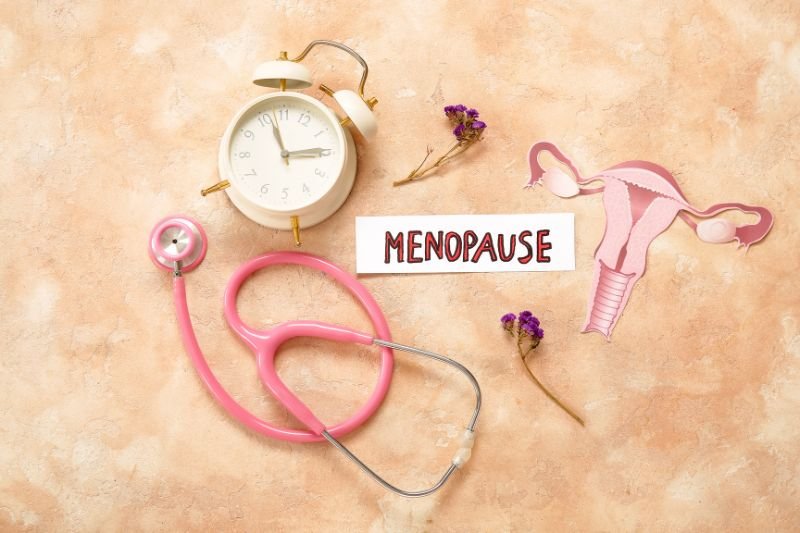
Menopause and perimenopause are natural stages of life that can involve a range of physical and emotional changes. Experiences vary significantly between individuals, and the timing and symptoms can differ widely.
This article offers general information to support awareness and understanding.
What Is Perimenopause?
Perimenopause refers to the transitional phase leading up to menopause, during which hormonal changes may begin to occur. This phase can last several years and may be associated with changes to menstrual cycles and other symptoms.
What Is Menopause?
Menopause is defined as the point at which menstrual periods have stopped permanently, typically diagnosed retrospectively after 12 consecutive months without a period.
Commonly Reported Changes
Some individuals report changes such as:
- Altered menstrual patterns
- Changes in sleep
- Changes in mood or concentration
- Physical symptoms such as hot flushes
Not everyone experiences the same symptoms, and their severity can vary.
When to Seek Medical Assessment
Medical assessment may be appropriate if symptoms are persistent, concerning, or affecting daily life. A healthcare professional can provide individualised assessment and discuss appropriate next steps.
Important Information
This content is for general awareness only and does not replace professional medical advice. A consultation with a qualified doctor is required for individual assessment.
For urgent concerns, call 999.
For urgent advice outside clinic hours, contact NHS 111.